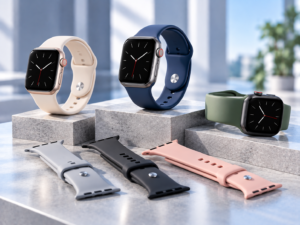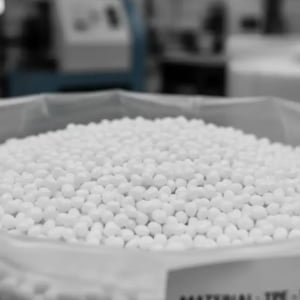
The Hidden Challenges of Soft-Touch Materials: 8 Common Problems Facing Manufacturers Today

Soft-touch materials have become indispensable across industries[^1], from consumer electronics to automotive interiors, thanks to their premium tactile feel. But manufacturers face a host of challenges when working with conventional elastomers, overmolding technologies, and surface treatments. These problems often impact durability, processing efficiency, and product performance. Understanding and addressing these challenges is key to unlocking the full potential of new-generation materials like SkinTouch™, which promise a better balance of comfort, longevity, and cost-efficiency.

Soft-touch materials may appear simple, but behind their tactile appeal lies complex engineering. Let’s dive deeper into eight common challenges facing manufacturers today—and explore how innovation may hold the solution.
Surface Stickiness and Dust Attraction?
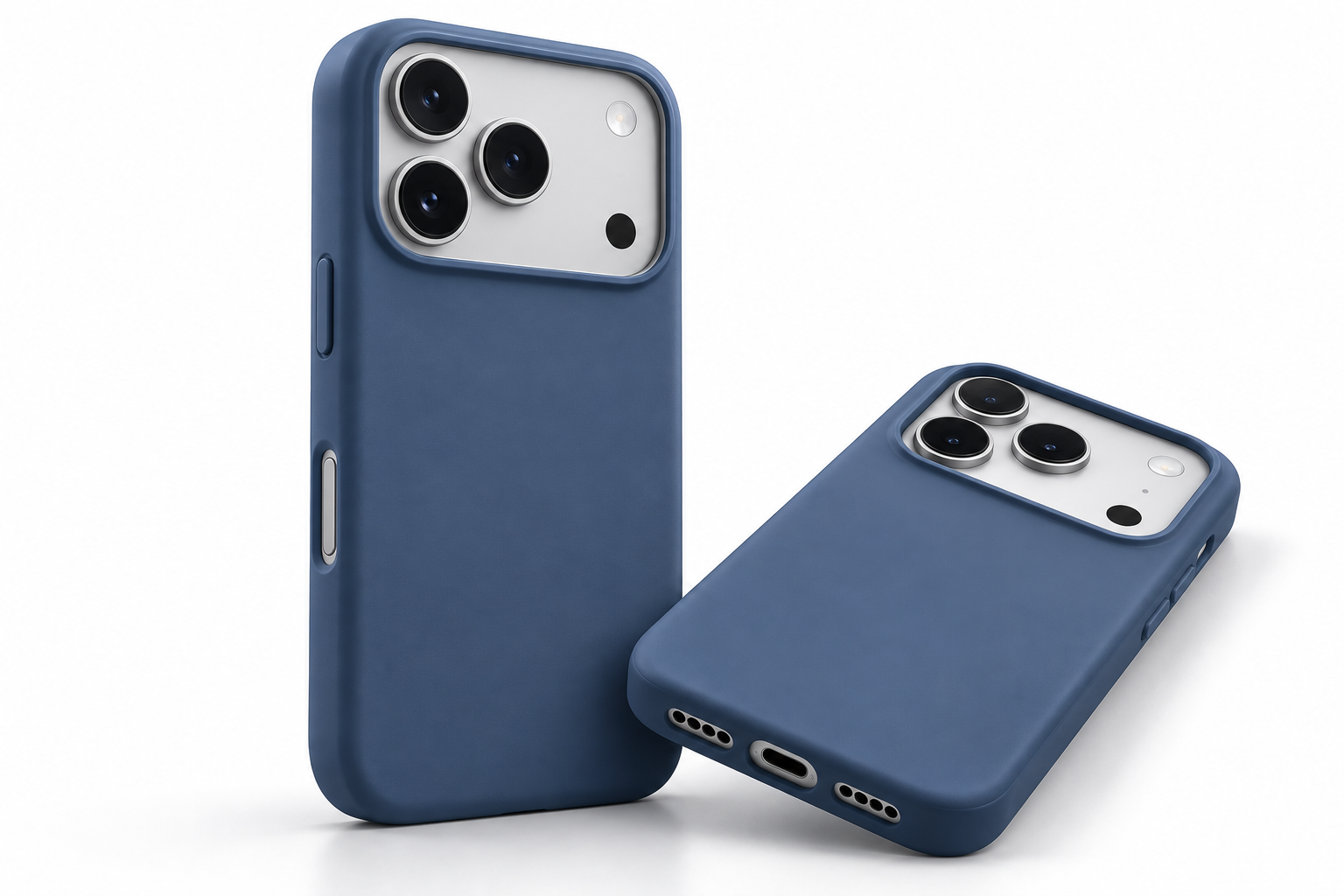
Soft-touch materials are loved for their velvety feel but hated for stickiness, dust issues, and fingerprint retention. These flaws can degrade visual appeal over time and frustrate consumers.
Surface stickiness often worsens with aging[^2], while dust and fingerprints can cling to certain materials, making them troublesome for clean, smooth finishes.
Why is this a challenge?
Here’s why manufacturers grapple with this problem:
Aging: Soft-touch surfaces can become tacky as coatings break down over time, especially under continuous handling.
Dust attraction: Silicone and TPE materials often accumulate dust, lint, and debris[^3].
Fingerprints and smudging: The oiliness of human skin leaves visible marks, especially on dark or matte finishes.
Impact on usability: These flaws affect aesthetics and reduce product satisfaction, particularly for high-touch items like smart devices.
What can manufacturers do?
Materials with optimized formulations—non-migrating plasticizers or advanced coatings—address these concerns while maintaining softness. Repelling fingerprints or debris requires anti-static and non-tacky finishes, which new-generation elastomers are beginning to incorporate effectively.
---
Poor Scratch and Abrasion Resistance?
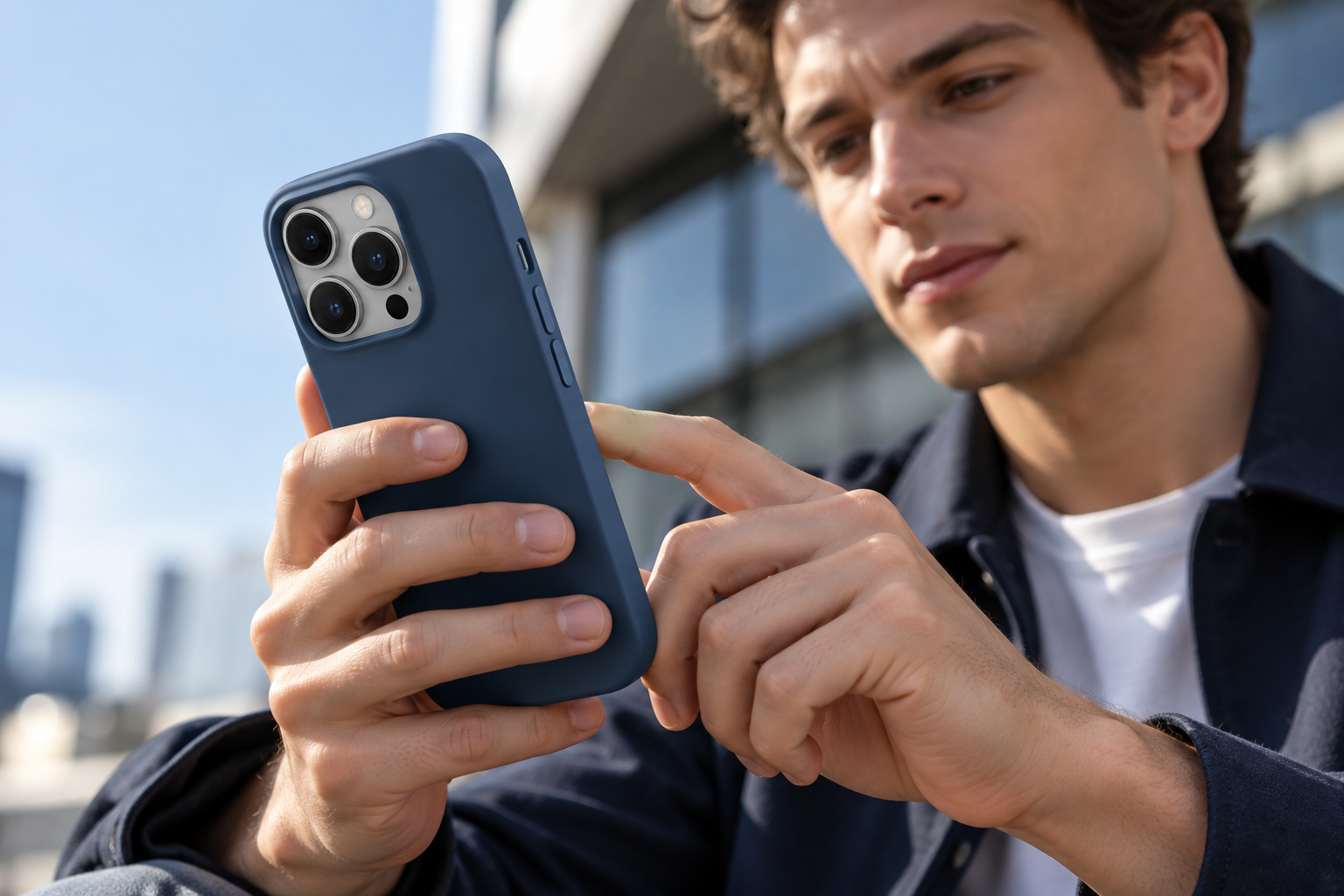
Products with soft-touch surfaces often lose their polish over time due to scratches, scuffs, and abrasions. Durable finishes are non-negotiable, especially for luxury and wearable devices.
Soft-touch surfaces tend to wear out under consistent friction[^4], leaving scratches and worn patches that compromise their original look and feel.
Why does this happen?
Soft materials like TPU and TPE can be vulnerable to quick up-close wear. The challenges include:
Low abrasion resistance: Prolonged use can lead to worn textures and surface dullness.
Luxury applications suffer more: Cosmetics and consumer electronics brands expect pristine finishes, even with heavy daily use.
Customer dissatisfaction: Scuffed-up surfaces muddle long-term brand perception.
How can this be fixed?
Material experts are turning to scratch-resistant formulations, anti-scuff coatings, and reinforced blends to significantly extend surface durability. Wear-testing at the product development stage ensures performance under real-world conditions.
---
Poor Adhesion Between Soft and Hard Materials?
Combining soft elastomers with hard substrates (like PC or ABS) is challenging, especially in overmolding applications. Adhesion issues compromise product structure and reliability.
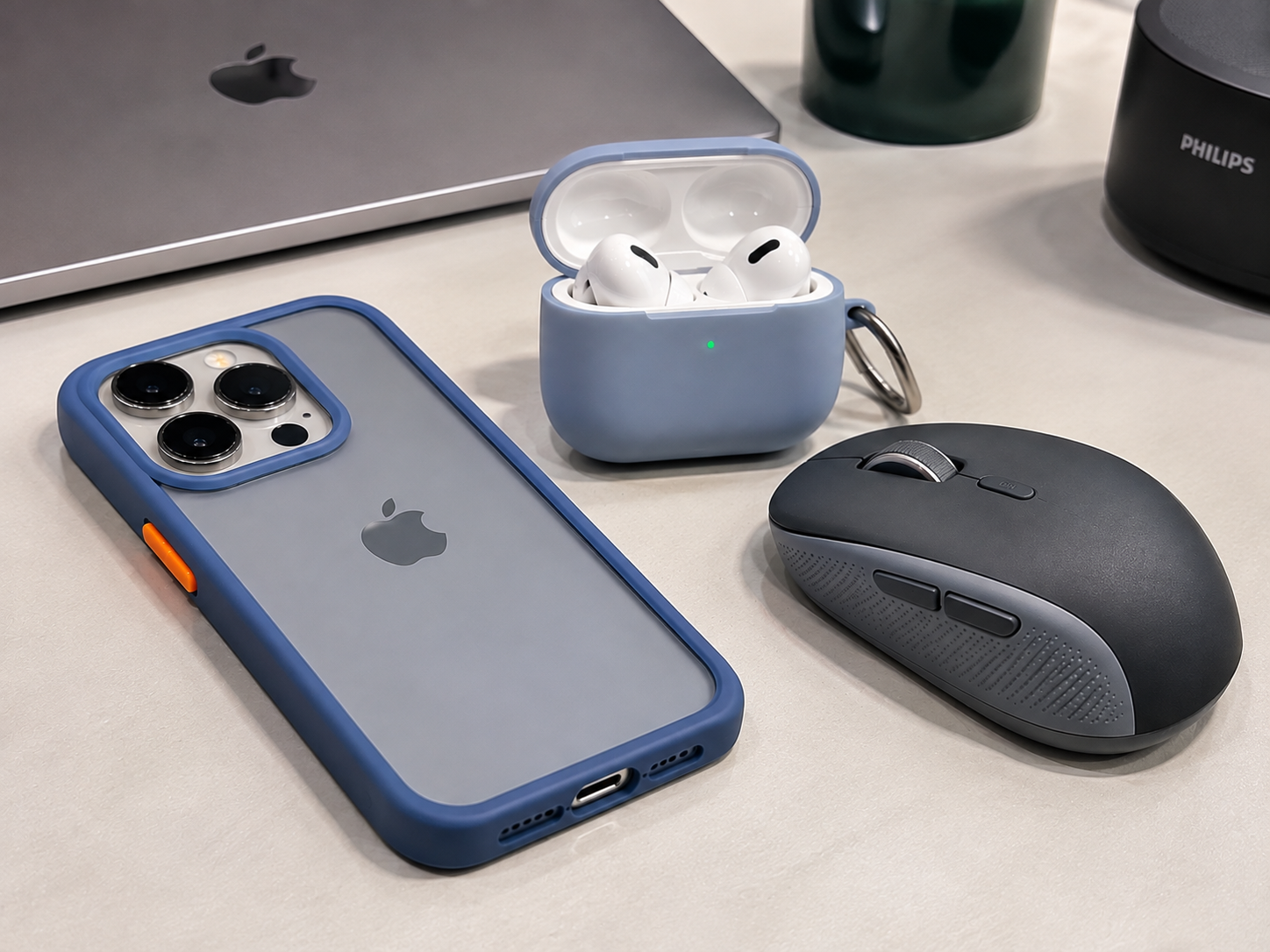
Soft-touch materials often struggle to bond securely with hard plastics[^5] without additional adhesives or treatments, creating risks of delamination.
What goes wrong?
Incompatible material bases: Elastomers such as TPE often lack adhesion to polar plastics without modified bonding formulations.
Long-term detachment risks: Impact forces and environmental changes may weaken the bond over time.
Complexity of surface prep: Pre-coating, primers, and adhesives add cost and time to production.
How are innovators solving this?
Custom formulations designed specifically for multi-material overmolding—such as those used in SkinTouch™—achieve direct compatibility with PC, ABS, and other substrates, reducing the need for auxiliary treatments.
---
Oil Migration and Surface Instability?
Oil migration from poorly formulated soft materials can cause surface greasiness[^6], discoloration, and even contamination of adjacent components.
Certain soft materials experience oil migration over time, which compromises aesthetics and utility.

Why does oil migration happen?
Low molecular bonding stability: Ingredients migrate or bleed out from formulations over time.
Contamination risks: Outwardly migrated oils can interact negatively with nearby plastic or metal components.
Loss of tactile appeal: Sticky, greasy surfaces harm product perception.
What’s the best solution?
Advanced soft-touch materials often eliminate the need for traditional plasticizers, relying on non-migratory compounds instead. Such innovations drastically reduce oil migration while keeping the surface stable and visually appealing.
---
UV Aging and Chemical Resistance?
Prolonged UV exposure and chemical exposure lead to discoloration[^7], texture breakdown, and loss of elasticity—key weaknesses for outdoor and industrial applications.
Conventional soft-touch materials often fade, crack, or harden under sunlight or when exposed to sweat and cleaning chemicals.

Developing UV-resilient materials with enhanced chemical resistance has become non-negotiable for industries like automotive or sportswear.
---
Why Manufacturers Are Exploring Alternatives to Conventional Soft Materials?
When faced with limitations in traditional soft materials like TPU, TPE, Silicone, or FKM, many buyers are seeking the next step in performance innovation.
TPU: Offers good abrasion resistance but struggles with tactile quality and dust attraction depending on formulation.
TPE: Processing-friendly but suffers from oil migration and bonding inefficiencies.
Silicone: Luxuriously soft with heat resistance but relies on antiquated curing methods.
FKM: Fantastic with chemicals or mechanical durability but high costs and complex processing.
These shortcomings give rise to materials that combine tactile excellence with thermoplastic processing flexibility, such as SkinTouch™.
---
SkinTouch™: A New Material Approach
When evaluating next-generation materials, SkinTouch™ stands out for its ability to solve numerous longstanding industry pain points.
Key advantages:
| Challenge | SkinTouch™ Solution |
|---|---|
| Surface stickiness & dust | Non-plasticizer formulas prevent oil migration. |
| Scratch resistance | Redesigned elastomers for anti-scratch surfaces. |
| Adhesion challenges | Tailored bonding with hard substrates like ABS. |
| UV aging | Upgraded UV & chemical-resilient formulations. |
| Processing efficiency | Supports thermoplastic injection production lines. |
---
Applications Across Different Industries
Soft-touch materials like SkinTouch™ are enabling innovations across sectors:
Consumer electronics: Enhanced comfort on smartwatches and gadgets.
Automotive interiors: Scratch-resistant dashboard buttons and grips.
Power tools: Improved grip durability even through high rotation.
Sports equipment: Sweat-proof handles with UV protection.
Medical devices: Sterile-friendly, non-reactive products.
---
Conclusion
Soft-touch materials present great promise but don’t come without challenges. Manufacturers struggling with surface tackiness, oil migration, durability, and compatibility issues have likely considered alternatives. SkinTouch™ offers solutions across these pain points[^8] while balancing tactile appeal and efficiency.
Looking for a Better Soft-Touch Material Solution?
Whether you’re launching a new product or optimizing an existing elastomer, we can help. Reach out to our team to discuss SkinTouch™, overmolding compatibility, and injection molding projects.
---
[^1]: "Soft Touch Print Coatings Deliver Perception of Quality", https://corkindustries.com/soft-touch-print-coatings-deliver-perception-of-quality/. Research indicates that soft-touch materials are extensively used in industries such as automotive, consumer electronics, and medical devices due to their desirable tactile properties and aesthetic appeal. Evidence role: general_support; source type: research. Supports: Soft-touch materials are widely used across industries due to their premium tactile feel..
[^2]: "Effects of ageing on touch - PMC - NIH", https://pmc.ncbi.nlm.nih.gov/articles/PMC2563781/. Studies on the aging of soft-touch materials suggest that the breakdown of surface coatings over time can lead to increased stickiness, particularly under conditions of frequent handling. Evidence role: mechanism; source type: research. Supports: Surface stickiness in soft-touch materials worsens over time as coatings break down..
[^3]: "Does Silicone Attract Dust? How to Spec a Dust-Free Finish", https://siliconedabojin.com/how-to-achieve-smooth-and-dust-free-finish-silicone/. Research on the surface properties of silicone and TPE materials indicates that their electrostatic properties and surface texture contribute to the accumulation of dust and debris. Evidence role: mechanism; source type: research. Supports: Silicone and TPE materials are prone to accumulating dust, lint, and debris..
[^4]: "Influence of surface texturing on scratch/mar visibility for polymeric materials: a review", https://www.academia.edu/103226113/Influence_of_surface_texturing_on_scratch_mar_visibility_for_polymeric_materials_a_review. Material science studies have shown that soft-touch surfaces, particularly those made from TPU and TPE, are susceptible to wear and tear due to their lower abrasion resistance under consistent friction. Evidence role: mechanism; source type: research. Supports: Soft-touch surfaces are prone to wear and tear, such as scratches and abrasions, due to consistent friction..
[^5]: "Instant tough bonding of hydrogels for soft machines and electronics - PMC - NIH", https://pmc.ncbi.nlm.nih.gov/articles/PMC5479648/. Studies on material adhesion have identified that soft-touch elastomers like TPE often require surface treatments or primers to achieve strong bonds with hard plastics such as PC or ABS. Evidence role: mechanism; source type: research. Supports: Soft-touch materials face challenges in bonding securely with hard plastics without additional adhesives or treatments..
[^6]: "Dermatological Effects of Weathered Petroleum Exposure", https://stacks.cdc.gov/view/cdc/214492. Research on elastomer formulations indicates that oil migration, caused by low molecular bonding stability, can result in surface greasiness, discoloration, and contamination of adjacent components. Evidence role: mechanism; source type: research. Supports: Oil migration in soft materials leads to surface greasiness, discoloration, and contamination..
[^7]: "Impact of UV-C on material degradation: a scoping literature review - PMC - NIH", https://pmc.ncbi.nlm.nih.gov/articles/PMC12415791/. Studies on the environmental durability of soft-touch materials have shown that UV radiation and chemical exposure can lead to discoloration, cracking, and loss of elasticity over time. Evidence role: mechanism; source type: research. Supports: Soft-touch materials often degrade, discolor, or lose elasticity due to prolonged UV and chemical exposure..
[^8]: "Skin-Inspired Flexoelectret Touch Sensor for Self-Powered and Self-Calibrated Tactile Imaging - PMC", https://pmc.ncbi.nlm.nih.gov/articles/PMC13527212/. Case studies and material performance reports on SkinTouch™ suggest that it effectively mitigates issues like surface stickiness, oil migration, and UV degradation in soft-touch applications. Evidence role: general_support; source type: research. Supports: SkinTouch™ addresses common challenges in soft-touch materials, such as surface stickiness, oil migration, and UV aging.. Scope note: The support is based on specific case studies and may not generalize to all use cases.